

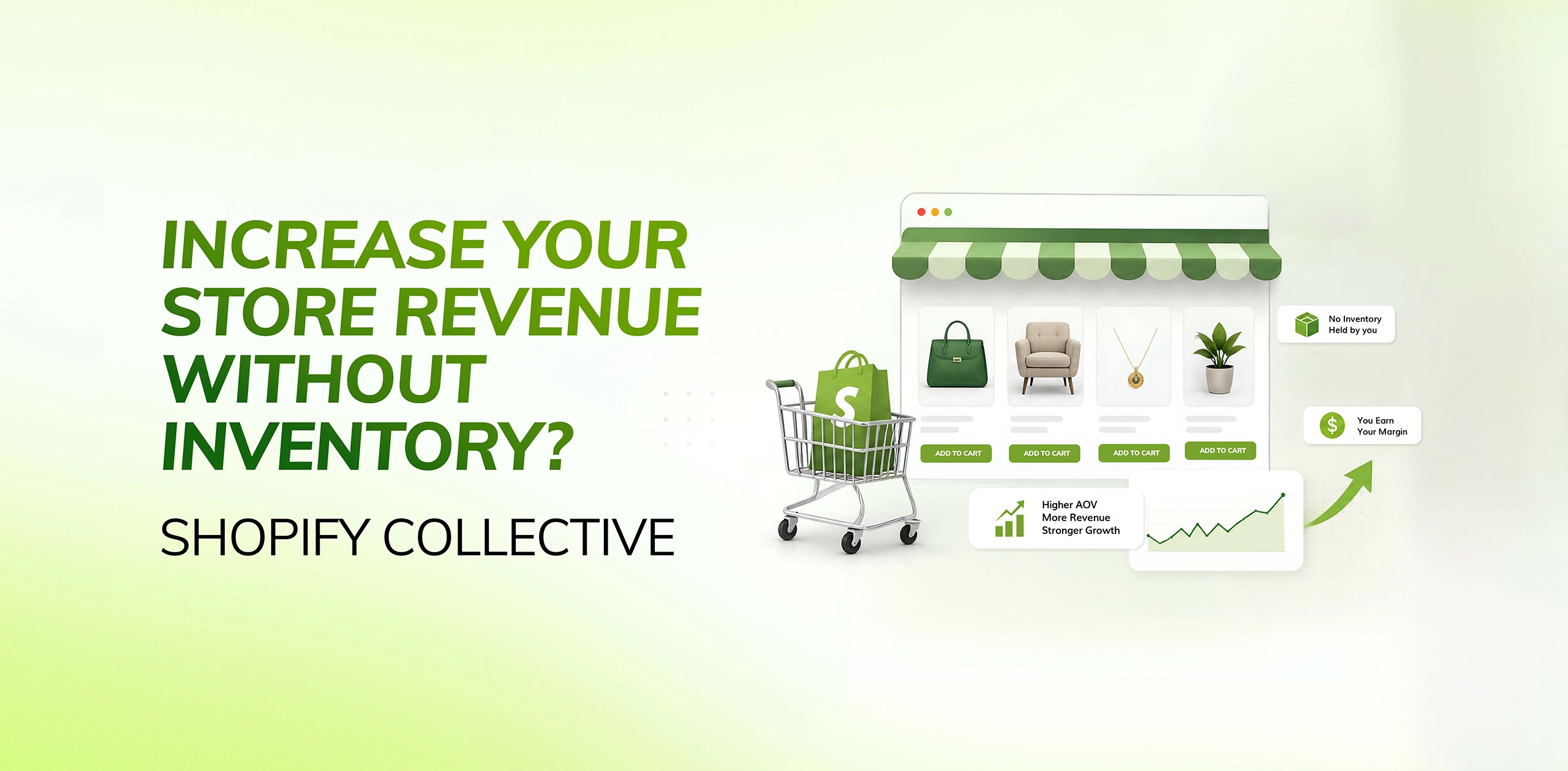

Many Shopify stores don’t struggle because of poor products. They slow down because their range is limited and cash is tied up in stock.
You might be seeing steady sales but finding it hard to grow further. Expanding your catalogue usually means buying inventory, handling storage, and risking unsold products. That’s not always a practical move.
Shopify Collective offers a different approach. It lets you add products to your store and sell them without holding inventory yourself. For brands looking to grow without increasing risk, it’s becoming a useful option worth understanding.
What is Shopify Collective?
Think of Shopify Collective as a wholesale marketplace, but smarter. It connects retailers with suppliers who manufacture or distribute products. Here’s the key difference from traditional wholesale: you don’t buy inventory upfront. Instead, suppliers ship products directly to your customers when orders come in.
This isn’t dropshipping in the traditional sense. These are vetted, high-quality suppliers—often established brands looking to expand their retail distribution. You’re not dealing with sketchy overseas suppliers or 6-week shipping times.
The system works seamlessly within your existing Shopify store. When a customer orders a Collective product, the order automatically routes to the supplier, they fulfill it, and you earn your margin. Your customer never knows the difference, and you handle the customer relationship.

Why This Matters More in 2026
The e-commerce landscape has shifted. Customers expect variety and comprehensive product ranges. But expanding your catalog traditionally requires massive capital investment.
Let’s say you want to add 50 new products. At an average wholesale cost of $30 per unit and maintaining just 10 units of each SKU, you’re looking at $15,000 tied up in inventory. That’s before warehousing costs, potential dead stock, or seasonal fluctuations.
Shopify Collective eliminates that equation entirely. You can add 50, 100, or 500 products with zero upfront investment. The only cost? Your time to curate the right suppliers and products that fit your brand.
In 2026, as access to capital tightens, this model has become incredibly attractive. Retailers are using Collective to test new product categories, expand into adjacent markets, and offer seasonal items without the risk of leftover inventory.
How Retailers Are Actually Using This
The most successful Collective strategies aren’t random—they’re intentional additions that complement existing product lines.
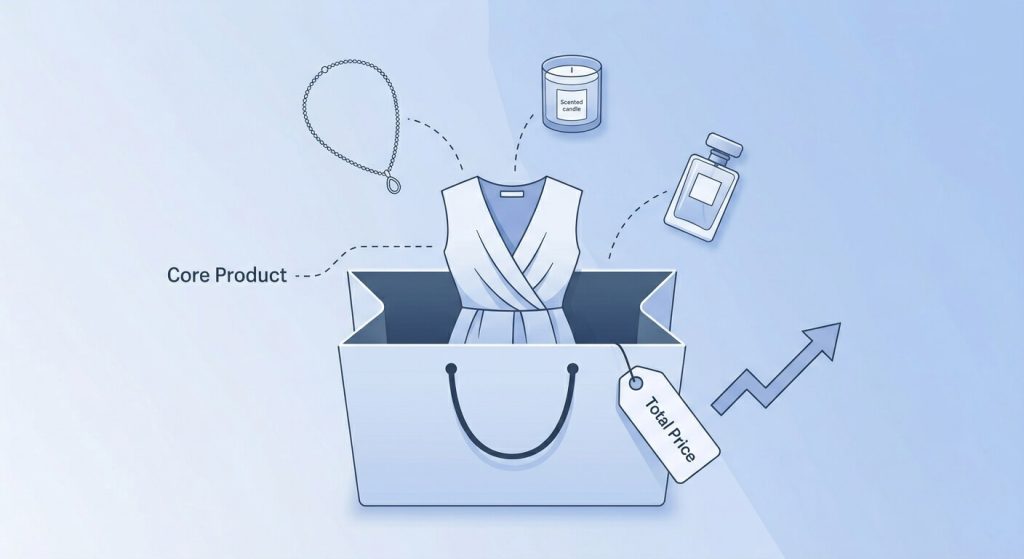
A women’s boutique sells curated dresses and accessories. Through Collective, they’ve added premium handbags and jewelry from established designers. These items have higher price points and excellent margins, but the boutique would never stock them due to investment required. Now they offer complete outfit solutions, and customers buy multiple items per order.
A home goods retailer specialising in organic bedding uses Collective to offer complementary products like natural cleaning supplies and sustainable storage solutions. The result? A 35% increase in average order value.
A gourmet food shop partners with artisan producers across the country. They can now offer regional specialties and small-batch products without managing perishable inventory across multiple suppliers. Each supplier ships directly, maintaining freshness and reducing waste.
The Real Benefits Beyond No Inventory
Testing New Categories Risk-Free
Want to see if your customers would buy outdoor gear? Add a few Collective products and measure demand before committing to inventory. If products don’t sell, remove them. No loss.
Faster Time to Market
Traditional wholesale requires ordering, shipping, receiving, cataloging, and storing inventory. With Collective, you can add products to your store in minutes. The supplier handles photography, descriptions, and fulfillment details.
Seasonal Flexibility
Seasonal inventory is risky—you’re guessing demand months in advance. Collective lets you offer seasonal products without the gamble. When the season ends, simply remove the products. No clearance sales, no storage costs.
Geographic Expansion
Suppliers often have distribution networks you don’t. They can ship internationally, handle local regulations, and manage region-specific fulfillment. This means you can offer products to customers in markets you couldn’t previously serve.
Finding the Right Suppliers
quality and brand values.
Start with your existing customer data. What are customers asking for that you don’t carry? What products do they buy elsewhere after purchasing from you? These gaps are your Collective opportunities.
Browse the Collective marketplace within your Shopify admin. Filter by category, but also look at supplier ratings, minimum order requirements, and shipping capabilities. The best suppliers have detailed product catalogs, professional photography, and clear terms.
Reach out before adding products. Ask suppliers about their fulfillment speed, return policies, and whether they support custom packaging. The best partnerships are built on communication.
Sample products when possible. Even though you’re not stocking inventory, you should know what you’re selling. Order samples to verify quality, check packaging, and understand the customer experience.
Setting Your Margins Intelligently
Just because you’re not holding inventory doesn’t mean you should race to the bottom on price.
Your margin needs to account for several factors: your time curating products, marketing costs, customer service, and the value you provide through curation. Customers shop with you because they trust your taste and expertise.
Most successful Collective retailers maintain 30-50% margins. This isn’t greedy—it’s sustainable. You’re providing a service by discovering great products, presenting them well, and standing behind them with customer support.
Don’t compete with suppliers on price. If a supplier sells directly to consumers at $50 and offers you wholesale at $30, selling at $45 makes no sense. Price at $65-75, and emphasise the value of shopping a curated collection versus browsing a supplier’s full catalog. Learn more about pricing strategies for e-commerce to maximise your margins.
Managing the Customer Experience
Your customers don’t care that a product ships from a Collective supplier. They ordered from you, and they expect you to handle any issues.
Set clear expectations about shipping times. If Collective products ship separately from your inventory, communicate that at checkout. Customers understand when you explain it; they get frustrated when unexpected things happen.
Handle returns through your normal process. Yes, this adds complexity, but maintaining a consistent customer experience is worth it. Telling customers “that product came from someone else, contact them” destroys trust.
Monitor supplier performance relentlessly. Check shipping times, quality complaints, and out-of-stock issues. One bad supplier can damage your entire brand reputation.
The Technical Setup
Adding Collective to your Shopify store takes minutes. Install the Shopify Collective app from the App Store, browse suppliers, and send connection requests.
When a supplier approves your connection, you can import their products. Choose selectively—don’t import entire catalogs. Pick the 5-10 products that genuinely fit your store.
Products import with descriptions and images, but customise them to match your brand voice. Rewrite product descriptions to add context about why you chose this product and who it’s perfect for.
Set your retail prices, add products to relevant collections, and you’re live. When orders come in, Collective automatically routes them to suppliers. Everything reconciles automatically—customers pay you, you pay suppliers their wholesale cost, and you keep your margin.
Common Pitfalls to Avoid
Adding Too Many Products Too Fast: Start with 10-20 Collective products maximum initially. See how they perform before expanding. Overwhelming your store with Collective products dilutes your brand.
Ignoring Your Core Products: Collective should complement your main inventory, not replace it. Your owned inventory is what differentiates you.
Not Vetting Suppliers: Check fulfillment speed by ordering samples. Read their terms carefully. One slow supplier will generate customer service headaches that eat into your margin.
Competing on Price Instead of Curation: Your value isn’t offering the cheapest products—it’s finding the best products. Price accordingly.
Measuring Success
Track Collective performance separately from your main inventory:
- Conversion rate on Collective products vs. owned inventory
- Average order value when baskets include Collective items
- Return rate by supplier
- Margin dollars (revenue matters less than profit)
- Time to fulfillment
Most importantly, monitor customer feedback. Are people buying Collective products repeatedly? Happy customers indicate you’ve found good suppliers and products that resonate.
Is Shopify Collective Right for Your Store?
Collective makes most sense if you:
- Want to expand your catalog without capital investment
- Have complementary product categories that fit your brand
- Are willing to manage supplier relationships
- Can handle slightly more complex fulfillment logistics
It’s less ideal if you:
- Are just starting and have no established brand yet
- Want to compete purely on price
- Don’t have time to vet suppliers properly
- Need absolute control over fulfillment speed
Getting Started This Week
If Collective sounds right for your business, here’s your action plan:
- Install the Shopify Collective app today
- Browse suppliers in your category for one hour
- Identify 3-5 suppliers whose products complement your store
- Request connections and start conversations
- Order samples from promising suppliers
- Add your first 5-10 products next week
- Promote them to your email list
- Monitor performance for 30 days
- Double down on what works
The retailers winning with Collective in 2026 aren’t treating it as a passive revenue stream. They’re actively curating, building supplier relationships, and integrating Collective products into their overall merchandising strategy.
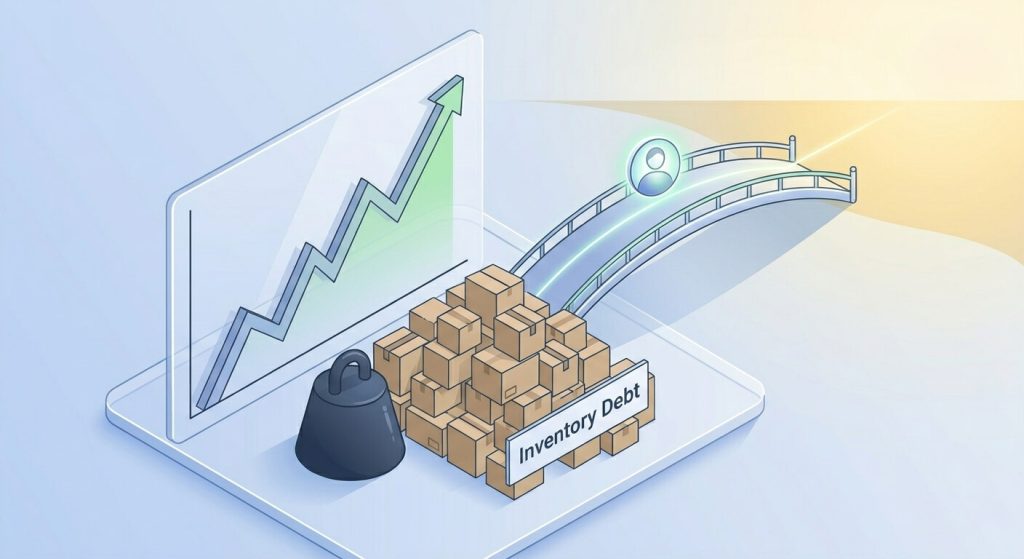
The opportunity is real. Inventory risk has always been the biggest barrier to expanding product selection. Shopify Collective removes that barrier. The question is: what will you do with that freedom?
Shopify Collective is powerful, but only if it’s set up and managed properly. As a Shopify Plus Partner, Sweans helps brands integrate Collective, optimise margins, and improve overall store performance. Contact us to get started.
