


Customers now move freely between online browsing and in-store shopping, and retailers are expected to deliver a smooth experience across both. Shopify POS plays a key role in making that possible by giving businesses a single system that connects their storefront, inventory, and customer data across every sales channel.
As retail continues to evolve, choosing a point of sale solution that supports both digital and physical growth has become essential. This guide takes a closer look at Shopify POS, its features, pricing, setup process, and the advantages it offers compared to traditional and competing POS systems. It provides a clear view of how Shopify POS fits into modern retail and why so many merchants are adopting it as their primary in-store solution.
Understanding Shopify POS Architecture
Shopify POS is a cloud-based retail management system designed to synchronise physical store operations with online commerce. The platform creates a centralised ecosystem where inventory, customer data, sales analytics, and order management converge into a single interface.
The system operates through a mobile application compatible with iOS and Android devices, transforming tablets and smartphones into fully functional point of sale terminals. This architecture eliminates the need for proprietary hardware and expensive on-premise servers that characterise legacy POS systems.
Core Platform Integration
The fundamental advantage of Shopify POS lies in its native integration with the Shopify e-commerce platform.
This integration ensures:
- Real-time inventory synchronisation across all sales channels
- Unified customer profiles with complete purchase history
- Consistent product catalogues and pricing across touchpoints
- Centralised order fulfilment and management workflows
- Consolidated reporting and analytics dashboards
Key Features and Capabilities
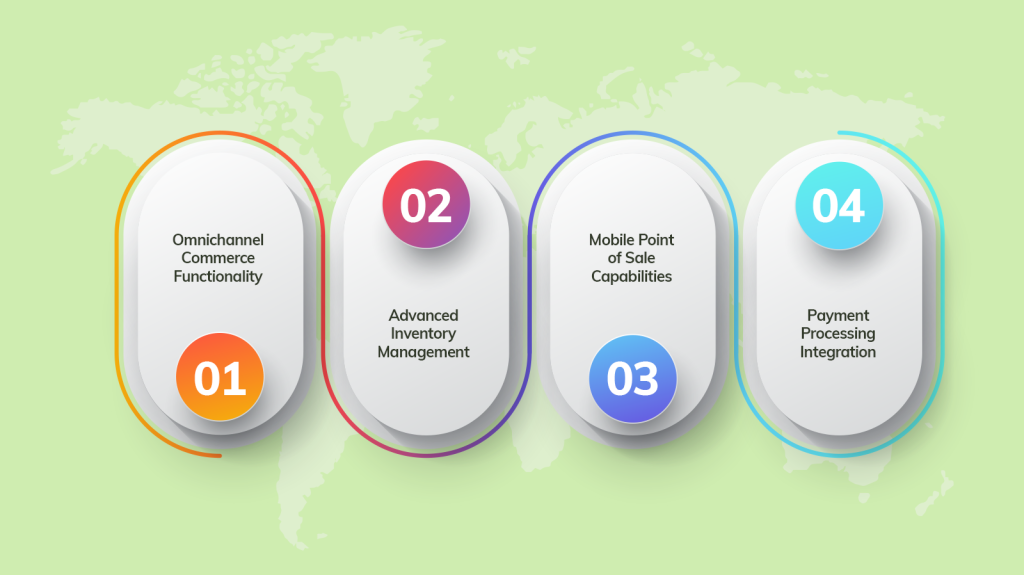
Omnichannel Commerce Functionality
Modern consumers expect flexibility in their shopping journey. Shopify POS enables comprehensive omnichannel strategies, including:
Buy Online, Pick Up In Store (BOPIS): Customers can purchase products online and collect them from physical locations, reducing shipping costs and driving foot traffic.
Cross-Channel Returns: Products purchased through any channel can be returned at any location, improving customer satisfaction and retention.
Endless Aisle Capabilities: Staff can sell products not physically available in-store, accessing the full inventory network to complete sales that would otherwise be lost.
Ship From Store: Physical locations become micro-fulfilment centres, enabling faster delivery to nearby customers and optimising inventory distribution.
Local Delivery Options: Integration with local delivery services and curbside pickup capabilities enhances convenience for location-based customers.
Advanced Inventory Management
Shopify POS provides enterprise-grade inventory control features:
- Real-time stock level updates across multiple locations
- Automated low stock alerts and reorder point notifications
- Comprehensive SKU and product variant management
- Barcode scanning integration for efficient processing
- Inter-location inventory transfer capabilities
- Stock adjustment tracking and audit trails
- Inventory counting and reconciliation tools
Mobile Point of Sale Capabilities
The mobile-first architecture of Shopify POS transforms retail operations:
- Convert any compatible tablet or smartphone into a checkout station
- Process transactions anywhere within retail environments
- Reduce customer wait times through line-busting strategies
- Enable sales at off-site events, markets, and pop-up locations
- Facilitate floor sales with immediate product information access
Payment Processing Integration
Shopify POS supports comprehensive payment acceptance:
- Credit and debit card processing through Shopify Payments or third-party processors
- Contactless payment methods including NFC, Apple Pay, and Google Pay
- EMV chip card and PIN authentication
- Split payment functionality for customer convenience
- Gift card and store credit management
- Custom payment method configuration
- Offline payment processing with automatic synchronisation
Shopify POS Pricing Structure
Shopify POS Lite
Included with all Shopify subscription plans at no additional cost, POS Lite provides:
- Basic point of sale functionality
- Staff PIN code access
- Unlimited product catalogue management
- Standard reporting capabilities
This tier suits businesses beginning their physical retail operations or requiring basic in-person transaction processing.
Shopify POS Pro
Available at $89 per month per location, POS Pro includes advanced features:
- Unlimited staff account creation
- Advanced inventory management tools
- Full omnichannel selling capabilities
- Comprehensive analytics and reporting dashboards
- Detailed customer profile management
- Staff performance tracking and metrics
- Smart inventory features, including stock forecasting
Shopify Plus with POS
Enterprise retailers benefit from premium features:
- Dedicated account management and support
- Custom checkout experience development
- Advanced API access for custom integrations
- Wholesale channel integration
- Priority technical support
- Enhanced security and compliance features
Comparative Advantages: Shopify POS vs. Competing Systems
Superior Integration Ecosystem
Traditional POS Systems typically operate as isolated platforms requiring complex third-party integrations for e-commerce connectivity. Data synchronisation often involves manual processes or expensive middleware solutions.
Shopify POS Advantage: Native integration with Shopify’s e-commerce platform eliminates integration complexity. The unified database ensures automatic synchronisation without additional development or integration costs.
Cost Structure and Total Cost of Ownership
Traditional POS Systems: Traditional solutions present significant cost challenges: limited multi-location inventory management, complex pricing tiers that escalate with growth, long-term payment processor contracts, and substantial upfront hardware investments with proprietary equipment.
Shopify POS Advantage: Offers transparent monthly pricing with no long-term contracts, hardware flexibility that allows businesses to use existing devices or purchase affordable certified equipment, and a predictable total cost of ownership that scales efficiently as your business grows.
Scalability and Growth Support
Traditional Systems: Scaling typically requires significant infrastructure investments, complex installations for new locations, and often complete system upgrades as businesses grow.
Shopify POS Advantage: Cloud-based architecture scales seamlessly from single to multiple locations. Adding new stores requires minimal setup, and all locations share centralised management, reporting, and inventory systems.
Technology Updates and Innovation
Legacy POS Systems: Updates require manual installation, IT support, and often service interruptions. New features may require expensive software upgrades or hardware replacements.
Shopify POS Advantage: Automatic updates deploy new features and security enhancements without disruption. Continuous platform improvements arrive without additional costs or manual intervention.
Customisation and Extension Capabilities
Competing Cloud POS Systems: Limited app ecosystems restrict functionality extension. Custom development often requires expensive professional services.
Shopify POS Advantage: Access to over 6,000 apps in the Shopify App Store enables extensive customisation. Open API architecture supports custom development for unique business requirements.
Data Analytics and Business Intelligence
Basic POS Systems: Reporting typically focuses on sales transactions with limited customer behaviour insights and basic inventory metrics.
Shopify POS Advantage: Comprehensive analytics spanning online and offline channels provide deep insights into customer behaviour, product performance, staff productivity, and business trends. Unified reporting eliminates data silos and enables data-driven decision-making.
Essential Hardware Requirements
Core Hardware Components
Retail Stand and Tablet: iPad or Android tablet with secure mounting solutions for stationary checkout stations.
Card Reader: Shopify-certified card readers support chip, swipe, contactless, and mobile payment processing.
Receipt Printer: Thermal or impact printers for physical receipt generation with email receipt alternatives.
Cash Drawer: Secure cash storage solutions that integrate with receipt printers for automatic opening.
Barcode Scanner: Handheld or fixed scanners for efficient product identification and inventory management.
Supplementary Equipment
- Label printers for product tagging and pricing
- Kitchen or packing station printers for order processing
- Customer-facing displays for price transparency
- Protective cases and mounting accessories
- Backup power solutions for uninterrupted operation
Implementation Process
Phase 1: System Configuration
Initial setup involves configuring:
- Store locations and organisational structure
- Tax rates and regulatory compliance settings
- Payment processing methods and merchant accounts
- Receipt templates and branding elements
- Staff accounts and permission hierarchies
- Return and exchange policies
Phase 2: Product Catalogue Setup
Product onboarding includes:
- Importing existing product data from online stores
- Creating new products with comprehensive details
- Assigning SKUs and barcode identifiers
- Configuring variants (size, color, material)
- Setting pricing structures and cost information
- Uploading product imagery
- Establishing initial inventory quantities
Phase 3: Hardware Integration
Technical setup encompasses:
- Installing the Shopify POS application on devices
- Pairing card readers via Bluetooth connectivity
- Connecting receipt printers and cash drawers
- Configuring barcode scanners
- Testing all hardware functionality
- Establishing backup and redundancy protocols
Phase 4: Staff Training and Testing
Personnel preparation involves:
- Comprehensive training on transaction processing
- Returns and exchange procedure familiarisation
- Customer profile management instruction
- Inventory adjustment and transfer training
- Reporting and analytics orientation
- Troubleshooting and support protocols
Strategic Applications by Industry
Fashion and Apparel Retail
Complex variant management for sizes, colours, and styles. Seasonal inventory tracking and markdown optimisation. Customer preference profiling for personalised recommendations.
Beauty and Cosmetics
Extensive SKU management for product variations. Customer purchase history for personalised consultations. Integration with loyalty programs for repeat purchase incentives.
Home Goods and Furniture
Large inventory management with customisation options. Special order processing and deposit handling. Delivery scheduling and coordination.
Food and Beverage
Quick service transaction processing. Inventory management for perishable goods. Integration with kitchen display systems.
Electronics and Technology
Serial number tracking for warranty management. High-value inventory security features. Technical specification access at the point of sale.
Jewellery and Luxury Retail
High-value item tracking and security. Custom order and engraving management. Detailed customer relationship management.
Integration Ecosystem
Financial Management Integrations
QuickBooks: Automated accounting synchronisation for sales, inventory, and financial reporting.
Xero: Cloud accounting integration for real-time financial data flow.
FreshBooks: Invoice and expense management connection for small business accounting.
Customer Loyalty and Retention
Smile.io: Points-based reward programs integrated with POS transactions.
LoyaltyLion: Multi-tier loyalty programs with automatic point accrual.
Yotpo: Review collection and loyalty program combination.
Marketing Automation
Klaviyo: Advanced email marketing with customer behaviour segmentation.
Mailchimp: Email campaign management with customer list synchronisation.Omnisend: Multi-channel marketing automation for retail businesses.
Best Practices for Optimisation
Data Integrity Management
Maintain accurate product information, consistent pricing across channels, and regular inventory audits. Implement standardised SKU conventions and establish data quality protocols.
Customer Relationship Development
Collect customer information at every transaction opportunity. Utilise purchase history for personalised marketing. Implement loyalty programs to drive repeat business. Segment customers based on behaviour and preferences.
Performance Monitoring
Review analytics dashboards regularly to identify trends. Track key performance indicators, including average transaction value, conversion rates, and inventory turnover. Monitor staff performance metrics and provide coaching opportunities.
Checkout Process Optimisation
Streamline transaction flows to minimise customer wait times. Train staff on efficient processing techniques. Implement mobile checkout during peak periods. Optimise receipt options between printed and digital formats.
Security and Compliance
Shopify POS maintains PCI DSS compliance for payment security. The platform employs encryption for sensitive data protection. Regular security updates deploy automatically to maintain protection standards. Staff access controls prevent unauthorised system use.
Final Takeaway
Shopify POS provides a comprehensive, modern solution for retail operations, unifying online and offline commerce with a mobile-first, omnichannel approach. Its competitive advantages include robust integration architecture, predictable pricing, extensive customisation options, and continuous innovation through automatic updates. These features enable retailers to meet evolving consumer expectations while maintaining operational efficiency. Compared to traditional POS systems and competing platforms, Shopify POS offers lower total cost of ownership, superior scalability, and access to a rich ecosystem of integrations and extensions, making it a strategic investment that supports both current operations and future growth.
To ensure maximum value from Shopify POS, professional implementation and ongoing support are important. As a certified Shopify Plus Partner, we provide end-to-end services including strategic consultation, requirements analysis, custom development and integrations, complete system implementation and migration, staff training, and ongoing optimisation. Expert guidance throughout the transition process ensures minimal operational disruption, optimises system performance, and maximises return on investment.
Overall, Shopify POS, supported by professional implementation services, equips businesses with a flexible, scalable, and future-ready point-of-sale solution. Contact us today to begin transforming your retail operations and unlock the full potential of Shopify POS.
